



Contents
- 1 Creating Sacred Spaces: A Guide to Crafting Your Spiritual Altar for Meditation
- 1.1 The Significance of Creating a Spiritual Altar for Meditation
- 1.2 Choosing the Right Location for Your Sacred Space
- 1.3 Selecting Meaningful and Symbolic Items for Your Altar
- 1.4 Setting up the Physical Layout of Your Spiritual Altar
- 1.5 Step-by-Step Guide to Setting Up Your Spiritual Altar:
- 1.6 Tips for Maintaining Your Altar:
- 1.7 Incorporating Elements of Nature into Your Sacred Space
- 1.8 Creating a Sacred and Natural Space:
- 1.9 Maintaining and Cleansing Your Spiritual Altar
- 1.10 Enhancing Your Meditation Practice with Your Sacred Space
- 1.11 Personalising Your Spiritual Altar with Intentions and Affirmations
- 1.12 Conclusion: Embracing the Power of Sacred Spaces for Meditation
- 1.13 The Significance of a Sacred Space:
- 1.14 Key Elements of a Sacred Space:
- 1.15 Practical Tips for Setting Up and Maintaining Your Altar:
- 1.16 Enhancing Your Meditation Practice:
- 1.17 How To Create a Book of Shadows
- 1.18 How to Create a Sacred Place
Creating Sacred Spaces: A Guide to Crafting Your Spiritual Altar for Meditation
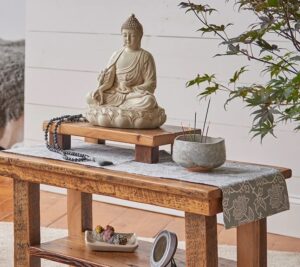 Step into a serene sanctuary of peace and tranquillity with your very own spiritual altar. In today’s fast-paced world, it’s becoming increasingly important to embrace moments of stillness and connect with our inner selves. Crafting a personal sacred space can provide a refuge for meditation and reflection, allowing us to journey within and explore our spiritual side.
Whether you’re a seasoned practitioner or just beginning your spiritual journey, creating an altar can be a powerful way to enhance your spiritual practice. This guide will walk you through the process of setting up your own sacred space, from selecting the perfect location to choosing meaningful objects to place on your altar. By incorporating elements that resonate with you, such as crystals, candles, or sacred symbols, you can create a sanctuary that speaks to your unique spiritual path. This sacred space will serve as a reminder to slow down, breathe deeply, and reconnect with your inner wisdom.
Join us as we explore the art of crafting a spiritual altar and discover how this simple practice can transform your meditation and mindfulness practices.
The Significance of Creating a Spiritual Altar for Meditation
Creating a spiritual altar for meditation can significantly enhance your practice by providing a dedicated, sacred space that fosters peace, focus, and spiritual growth. Here are some of the key benefits and tips for setting up a spiritual altar:
Significance of a Spiritual Altar:
-
-
- Focus and Centring:
- Dedicated Space: Having a designated area for meditation helps you shift your mindset and enter a meditative state more easily.
- Symbolism: The objects on your altar can serve as symbols of your spiritual intentions and goals, helping you stay focused and centred.
- Enhanced Spiritual Connection:
- Sacred Atmosphere: An altar creates a sacred atmosphere that can deepen your connection to your spiritual beliefs and practices.
- Energy Conduit: It can act as a conduit for spiritual energy, amplifying your intentions and prayers.
- Mindfulness and Ritual:
- Daily Practice: The act of setting up and maintaining your altar can become a mindful ritual that brings calmness and grounding to your daily routine.
- Visual Reminder: It serves as a constant visual reminder of your spiritual practice and commitments.
- Personal Expression:
- Customisation: Your altar is a personal expression of your spiritual journey, reflecting your unique beliefs, values, and intentions.
- Creative Outlet: Arranging and decorating your altar allows for creativity and personal expression, adding a personal touch to your sacred space.
- Focus and Centring:
-
Setting Up Your Spiritual Altar:
-
-
- Choose a Location:
- Quiet Area: Select a quiet, comfortable spot where you can meditate without disturbances.
- Accessible: Ensure it’s easily accessible so you can visit it regularly.
- Select Meaningful Items:
- Candles: Symbolise illumination and the presence of the divine.
- Crystals: Enhance the energy and vibration of your space.
- Incense: Cleanses the space and adds a soothing aroma.
- Spiritual Symbols: Include items that resonate with your spiritual beliefs, such as statues, icons, or talismans.
- Natural Elements: Incorporate elements like flowers, plants, or water to bring a touch of nature to your altar.
- Arrange Thoughtfully:
- Intuitive Placement: Arrange items in a way that feels intuitively right for you, creating balance and harmony.
- Clean and Maintain: Keep your altar clean and well-maintained, regularly refreshing items to keep the energy vibrant.
- Use Your Altar:
- Daily Meditation: Use your altar as a focal point during meditation to enhance your practice.
- Rituals and Prayers: Incorporate it into your spiritual rituals, prayers, or intention-setting practices.
- Choose a Location:
-
Creating and maintaining a spiritual altar can significantly enhance your meditation practice, providing a serene and sacred space for inner peace and spiritual growth. Have you thought about what specific items or symbols you might include on your altar?
Choosing the Right Location for Your Sacred Space
Choosing the right location for your sacred space is crucial for creating an environment that supports meditation, reflection, and spiritual practice. Here are some factors to consider when selecting the perfect spot for your spiritual altar:
-
- Quiet and Private Area:
-
-
- Minimal Distractions: Choose a location that is quiet and free from distractions, allowing you to focus and connect deeply during your practice.
- Privacy: Ensure the space offers a sense of privacy where you can feel comfortable and undisturbed.
-
-
- Natural Light and Ventilation:
-
-
- Natural Light: A space with natural light can create a serene and uplifting atmosphere. Consider a spot near a window where you can benefit from sunlight.
- Fresh Air: Good ventilation is important. A space that allows for fresh air circulation can enhance your experience.
-
-
- Comfort and Accessibility:
-
-
- Comfortable Seating: Ensure the space is comfortable for sitting or lying down, depending on your practice. You might want to include cushions, a mat, or a comfortable chair.
- Easily Accessible: The location should be easily accessible so that you can incorporate it into your daily routine without inconvenience.
-
-
- Connection to Nature:
-
-
- Natural Elements: If possible, choose a space that has a connection to nature, such as a garden, balcony, or a room with views of the outdoors. Incorporating natural elements like plants, stones, or water features can enhance the tranquillity of the space.
-
-
- Personal Significance:
-
-
- Meaningful Location: Select a spot that holds personal significance to you, whether it’s a corner of your bedroom, a dedicated room, or a specific area in your home that feels special.
-
-
- Space for Your Altar:
-
-
- Size and Layout: Ensure there is enough space for your altar and the items you want to include. The layout should allow you to arrange your altar items thoughtfully and provide room for your practice.
-
-
- Energy and Vibration:
-
-
- Positive Energy: Choose a location that feels positive and uplifting to you. Trust your intuition when selecting a spot that resonates with good energy and feels right for your spiritual activities.
-
Creating Your Sacred Space:
Once you’ve chosen the right location, you can start setting up your altar with items that hold spiritual significance for you, such as candles, crystals, incense, spiritual symbols, and natural elements. Regularly maintaining and refreshing your altar will help keep the energy vibrant and conducive to your practice.
Creating a sacred space tailored to your needs and preferences can greatly enhance your meditation and spiritual practice, providing a serene sanctuary for inner peace and connection. Have you found a spot in your home that feels like it could be your sacred space?
Selecting Meaningful and Symbolic Items for Your Altar
Creating a spiritual altar is a deeply personal and meaningful process. The items you choose should resonate with your beliefs, intentions, and aesthetic preferences. Here are some suggestions to help you select meaningful and symbolic items for your altar:
-
- Candles:
-
-
- Symbolism: Candles represent illumination, the presence of the divine, and the light within.
- Use: Light a candle to create a serene atmosphere and focus your mind during meditation.
-
-
- Crystals and Stones:
-
-
- Symbolism: Different crystals carry various energies and properties. For example:
- Clear Quartz: Amplifies energy and intention.
- Amethyst: Enhances spiritual awareness and calming energy.
- Rose Quartz: Promotes love and emotional healing.
- Use: Place crystals on your altar to harness their unique energies.
- Symbolism: Different crystals carry various energies and properties. For example:
-
-
- Incense and Smudges:
-
-
- Symbolism: Incense and smudges are used for purification, protection, and creating a sacred space.
- Use: Burn incense or smudge sticks (such as sage or palo santo) to cleanse the energy of your space and promote clarity.
-
-
- Spiritual Symbols:
-
-
- Symbolism: Include items that reflect your spiritual beliefs and practices, such as:
- Statues: Represent deities or spiritual figures that inspire you.
- Talismans or Amulets: Offer protection and embody spiritual significance.
- Symbols: Such as the Om symbol, ankh, or cross, which resonate with your spiritual path.
- Use: These items serve as focal points for meditation and reminders of your spiritual connection.
- Symbolism: Include items that reflect your spiritual beliefs and practices, such as:
-
-
- Natural Elements:
-
-
- Symbolism: Incorporating elements from nature can enhance the grounding and balancing energy of your altar.
- Flowers: Represent beauty, growth, and the transient nature of life.
- Plants: Symbolise life, growth, and renewal.
- Water Bowls or Shells: Represent emotions, purification, and the flow of life.
- Use: Arrange these elements to bring a touch of nature to your sacred space.
- Symbolism: Incorporating elements from nature can enhance the grounding and balancing energy of your altar.
-
-
- Personal Items:
-
-
- Symbolism: Items that hold personal significance can enhance the connection to your altar.
- Photographs: Of loved ones or places that inspire you.
- Meaningful Objects: Such as heirlooms, gifts, or mementos that carry sentimental value.
- Use: Incorporate these items to personalise your altar and strengthen your spiritual practice.
- Symbolism: Items that hold personal significance can enhance the connection to your altar.
-
-
- Books and Sacred Texts:
-
-
- Symbolism: Sacred texts, inspirational books, or written affirmations can provide guidance and wisdom.
- Use: Place them on your altar for study, reflection, and spiritual nourishment.
-
-
- Music and Sound Instruments:
-
-
- Symbolism: Musical instruments and sound tools can aid in creating a harmonious and peaceful environment.
- Tibetan Singing Bowls: Produce soothing sounds that enhance meditation.
- Bells and Chimes: Clear negative energy and invite positive vibrations.
- Use: Incorporate sound into your practice to deepen your meditation experience.
- Symbolism: Musical instruments and sound tools can aid in creating a harmonious and peaceful environment.
-
Setting up the Physical Layout of Your Spiritual Altar
Setting up the physical layout of your spiritual altar is a creative and personal process that can enhance your meditation and spiritual practice. Here’s a step-by-step guide to help you create a beautiful and harmonious altar:
Step-by-Step Guide to Setting Up Your Spiritual Altar:
-
-
- Choose Your Foundation:
- Surface: Select a stable and flat surface for your altar. This could be a small table, shelf, or dedicated corner.
- Covering: Consider using a cloth or fabric to cover the surface. Choose a material that feels special to you, such as silk, cotton, or something with a meaningful pattern or colour.
- Central Focal Point:
- Primary Object: Place your most significant or central item at the heart of your altar. This could be a statue, candle, or any object that holds special spiritual significance for you.
- Balance and Symmetry:
- Arrangement: Arrange items in a balanced way. Symmetry can create a sense of harmony, but you can also follow your intuition and personal aesthetic preferences.
- Candles:
- Placement: Position candles around your central item. They can be placed on either side or in front, depending on your preference. Ensure they are stable and safely positioned.
- Variety: Use candles of different sizes and colours to add visual interest and variety.
- Crystals and Stones:
- Arrangement: Place crystals and stones around your altar, either in a pattern or intuitively. They can encircle your central item or be placed at the corners of your altar space.
- Variety: Use different types of crystals to enhance the energy and aesthetics of your altar.
- Incense and Smudging Tools:
- Holder: Position an incense holder or smudge bowl on your altar. Ensure it’s placed safely away from flammable items.
- Placement: You can place incense at the back of the altar, allowing the smoke to waft over the space.
- Spiritual Symbols and Personal Items:
- Symbol Placement: Position symbols that resonate with your spiritual beliefs, such as a cross, Om symbol, or other meaningful items.
- Personal Touches: Add personal items like photographs, meaningful objects, or talismans. These can be placed at the front or sides of the altar.
- Natural Elements:
- Greenery: Add plants or flowers to bring a touch of nature and life to your altar. Place them in small vases or bowls.
- Water: Include a bowl of water or shells to symbolise emotions and purification. Ensure the water is refreshed regularly.
- Books and Sacred Texts:
- Placement: Place sacred texts or inspirational books on your altar. They can be positioned standing up or lying flat, depending on your preference.
- Final Touches and Personalisation:
- Arrangement: Take a step back and look at the overall layout. Adjust items until you feel a sense of balance and harmony.
- Intention: Infuse your altar with your intentions, prayers, or blessings. Spend a moment connecting with each item and what it represents to you.
- Choose Your Foundation:
-
Tips for Maintaining Your Altar:
-
-
- Regular Cleaning: Keep your altar clean and dust-free to maintain its positive energy.
- Refresh Items: Regularly update or refresh items on your altar to keep the energy vibrant and aligned with your current intentions.
- Daily Connection: Spend time at your altar daily, whether through meditation, prayer, or simply reflecting on your spiritual journey.
-
By thoughtfully setting up the physical layout of your spiritual altar, you create a sacred space that resonates with your inner self and enhances your meditation practice. Have you decided on the specific items and layout for your altar?
Incorporating Elements of Nature into Your Sacred Space
Incorporating elements of nature into your sacred space can significantly enhance the sense of tranquillity, grounding, and connection to the natural world. Here are some ideas to bring the beauty and energy of nature into your spiritual altar:
-
- Plants and Flowers:
-
-
- Greenery: Add potted plants or fresh flowers to your altar. Plants like succulents, peace lilies, or ferns can bring life and vitality.
- Flowers: Fresh or dried flowers can add colour and fragrance, symbolising growth and beauty.
-
-
- Crystals and Stones:
-
-
- Natural Minerals: Use a variety of crystals and stones to represent the earth element. Each type of crystal has its unique properties and energy.
- Arrangement: Place them in patterns or clusters to enhance their energy and aesthetic appeal.
-
-
- Water Elements:
-
-
- Water Bowls: Include a small bowl of water to symbolise emotions, purification, and the flow of life.
- Shells: Add seashells or coral to represent the ocean and connect with water’s calming energy.
- Fountains: If space allows, a small tabletop fountain can provide the soothing sound of flowing water.
-
-
- Earth Elements:
-
-
- Soil and Sand: Incorporate small bowls or jars of soil, sand, or natural earth to connect with the grounding energy of the earth.
- Wood: Use wooden items or driftwood pieces to bring the strength and stability of trees into your space.
-
-
- Fire Elements:
-
-
- Candles: Light candles to bring warmth and illumination, symbolising the fire element.
- Sun Symbols: Use items that represent the sun or fire to enhance the fiery energy of transformation and inspiration.
-
-
- Air Elements:
-
-
- Feathers: Place feathers on your altar to symbolise air and connection to the spirit.
- Incense: Burn incense or use essential oils to purify the air and create a fragrant atmosphere.
-
-
- Nature Sounds:
-
-
- Soundscapes: Play recordings of nature sounds, such as birdsong, flowing water, or wind in the trees, to create a serene and immersive environment.
- Wind Chimes: Hang wind chimes nearby to bring the gentle, soothing sound of moving air.
-
-
- Natural Textures:
-
-
- Fabrics: Use natural fabrics like cotton, linen, or silk for altar cloths and cushions, adding tactile comfort and organic beauty.
- Textures: Incorporate items with natural textures, such as smooth stones, rough bark, or soft moss.
-
-
- Nature-Inspired Art:
-
-
- Artwork: Display paintings, photographs, or sculptures inspired by nature. These can depict landscapes, animals, or abstract representations of natural elements.
- Crafts: Include handmade items or crafts that reflect your connection to nature, such as woven baskets or ceramic pieces.
-
Creating a Sacred and Natural Space:
-
-
- Intuition: Arrange natural elements in a way that feels intuitively right for you. Trust your instincts to create a balanced and harmonious layout.
- Maintenance: Regularly tend to the natural elements, such as watering plants and refreshing flowers, to keep the energy vibrant and alive.
- Connection: Spend time in your sacred space daily, connecting with the natural elements and allowing their energy to support your meditation and spiritual practice.
-
By incorporating elements of nature into your sacred space, you can create a serene and nurturing environment that enhances your meditation and spiritual journey. Which natural elements are you most drawn to for your altar?
Maintaining and Cleansing Your Spiritual Altar
Maintaining and cleansing your spiritual altar is essential for keeping the energy vibrant and ensuring that your sacred space remains a powerful focal point for your spiritual practice. Here are some tips to help you with this process:
Regular Maintenance:
-
- Cleanliness:
- Dust and Wipe: Regularly dust and wipe down the surface of your altar and all the items on it. This helps to keep the energy fresh and clear.
- Refresh Water: If you include a bowl of water on your altar, change it frequently to ensure it stays clean and clear.
- Check and Replace Candles:
- Burn Times: Keep an eye on your candles and replace them as needed. Ensure they burn evenly and safely.
- Disposal: Dispose of candle remnants respectfully, perhaps by burying them or placing them in a natural setting.
- Tend to Plants and Flowers:
- Watering: Regularly water and care for any plants or flowers on your altar.
- Refresh Flowers: Replace fresh flowers as they wilt to maintain a vibrant and lively atmosphere.
- Rearrange and Refresh Items:
- Intuitive Changes: Periodically rearrange items on your altar to keep the energy flowing. Trust your intuition to guide you in making changes.
- Seasonal Updates: Update your altar to reflect seasonal changes, holidays, or significant events in your life.
- Cleanliness:
Cleansing Your Altar:
-
- Smudging:
- Sage or Palo Santo: Light a smudge stick or palo santo and pass the smoke over your altar and the items on it. This helps to cleanse and purify the space.
- Incense: Burning incense can also help to cleanse and uplift the energy of your altar.
- Sound Cleansing:
- Bells and Chimes: Use bells, chimes, or a singing bowl to cleanse your altar with sound. The vibrations help to clear stagnant energy and invite fresh, positive energy.
- Mantras and Chants: Chanting or playing spiritual music can also help to cleanse and energise your space.
- Salt Cleansing:
- Sea Salt: Sprinkle sea salt around your altar or place small bowls of salt on the altar. Salt is known for its purifying properties and can help to absorb negative energy.
- Saltwater: If suitable for your items, lightly mist them with a solution of sea salt and water for cleansing.
- Crystal Cleansing:
- Selenite: Place selenite wands or slabs on your altar to cleanse and charge other crystals and items.
- Moonlight: Place your altar items under the light of the full moon to cleanse and recharge them.
- Smudging:
By maintaining and cleansing your spiritual altar regularly, you ensure that it remains a powerful and supportive space for your meditation and spiritual practice. Have you found any particular cleansing methods that resonate with you?
Enhancing Your Meditation Practice with Your Sacred Space
Enhancing your meditation practice with your sacred space can bring deeper relaxation, focus, and spiritual connection. Here are some tips to maximise the benefits of your sacred space:
-
- Create a Serene Environment:
-
-
- Lighting: Use soft lighting to create a calm ambience. Candles, fairy lights, or a dim lamp can set a soothing atmosphere.
- Sound: Play gentle background music, nature sounds, or use a white noise machine to block out distractions.
- Aromatherapy: Incorporate essential oils or incense to create a pleasant, calming scent. Lavender, sandalwood, and frankincense are popular choices for relaxation and meditation.
-
-
- Personalise Your Space:
-
-
- Meaningful Items: Fill your altar with items that have personal significance, such as crystals, spiritual symbols, and photos of loved ones or inspiring figures.
- Comfort: Ensure your space is comfortable. Use cushions, mats, or a meditation bench to support your body during longer sessions.
-
-
- Incorporate Natural Elements:
-
-
- Plants and Flowers: Bring in elements of nature, such as plants or fresh flowers, to enhance the sense of tranquillity and connection to the earth.
- Water: A small water feature or bowl can introduce the soothing sound and symbolism of water.
-
-
- Set Intentions:
-
-
- Purpose: Begin each session by setting a clear intention. This could be to find inner peace, gain clarity on a specific issue, or simply to relax.
- Affirmations: Use positive affirmations or mantras to guide your meditation and focus your mind.
-
-
- Meditation Techniques:
-
-
- Breathwork: Focus on your breath to centre yourself. Techniques such as deep breathing or alternate nostril breathing can be very effective.
- Visualisation: Use guided imagery to visualise a peaceful place or imagine light filling your body, promoting relaxation and healing.
- Mindfulness: Practice being present and fully engaged with the current moment, letting go of thoughts about the past or future.
-
-
- Regular Practice:
-
-
- Consistency: Make meditation a regular part of your routine. Even short, daily sessions can have profound benefits over time.
- Reflection: After each session, take a moment to reflect on your experience. Journaling about your meditation can help track your progress and insights.
-
-
- Sacred Rituals:
-
-
- Rituals: Incorporate rituals that resonate with you, such as lighting a candle, saying a prayer, or offering a blessing. These acts can help you transition into a meditative state and deepen your practice.
- Cleansing: Regularly cleanse your space using smudging, sound, or other methods to keep the energy clear and inviting.
-
-
- Stay Present:
-
-
- Focus on the Moment: Gently bring your focus back to your breath, an object on your altar, or your intention whenever your mind wanders.
- Non-Judgment: Practice non-judgmental awareness. Accept whatever arises during meditation without criticism or attachment.
-
By incorporating these elements and practices, your sacred space can become a powerful sanctuary for deepening your meditation practice. Have you noticed any particular benefits or changes in your practice since creating your sacred space?
Personalising Your Spiritual Altar with Intentions and Affirmations
Personalising your spiritual altar with intentions and affirmations can deepen your connection to your sacred space and enhance your meditation practice. Here’s how you can infuse your altar with meaningful personal touches:
Setting Intentions
-
- Define Your Intentions:
- Clarity: Take some time to reflect on what you want to achieve or focus on. Your intentions could be related to personal growth, healing, abundance, love, or any other aspect of your spiritual journey.
- Specificity: Be specific about your goals and desires. Clear intentions help to direct your energy more effectively.
- Write Down Your Intentions:
- Journal: Use a journal or dedicated intention notebook to write down your goals and aspirations. This process helps to crystallise your thoughts and make your intentions more tangible.
- Intention Cards: Create intention cards with affirmations or goals written on them. You can place these cards on your altar as visual reminders of your focus.
- Infuse Your Items with Intentions:
- Charge Objects: Hold each item you place on your altar and mentally or verbally infuse it with your intentions. For example, you can hold a crystal and set the intention for healing or clarity.
- Symbolism: Choose items that symbolise your intentions. For instance, a green candle can represent growth and renewal, while a rose quartz can symbolise love and compassion.
- Define Your Intentions:
Incorporating Affirmations
-
- Create Affirmation Statements:
- Positive: Ensure your affirmations are positive and in the present tense. Examples include “I am surrounded by love and light” or “I attract abundance and prosperity into my life.”
- Personal: Tailor your affirmations to your personal goals and desires. This makes them more powerful and relevant to your journey.
- Display Affirmations:
- Written Notes: Write your affirmations on small pieces of paper or cards and place them on your altar. You can use decorative paper or cards to make them visually appealing.
- Frames or Holders: Use small frames or cardholders to display your affirmations prominently on your altar.
- Daily Practice:
- Recite Affirmations: Make it a daily practice to recite your affirmations during your meditation or prayer sessions. This reinforces your intentions and keeps your focus aligned.
- Visualisation: As you recite your affirmations, visualise them coming to fruition. This can enhance the power of your affirmations and make them feel more real.
- Create Affirmation Statements:
Personalised Altar Rituals
-
- Morning and Evening Rituals:
- Morning: Start your day with a brief ritual at your altar. Light a candle, recite your affirmations, and set your intentions for the day.
- Evening: End your day with a reflective ritual. Express gratitude for the day, review your intentions, and recite your affirmations before bed.
- Special Rituals:
- Full Moon Rituals: Use the full moon as a time to recharge your intentions and affirmations. Cleanse your altar, refresh your items, and set new intentions if needed.
- Seasonal Changes: Align your altar and intentions with the changing seasons. Each season can represent a different focus or aspect of your spiritual journey.
- Incorporate Creativity:
- Art and Craft: Create artwork, mandalas, or crafts that represent your intentions and place them on your altar.
- Music and Sound: Use music, chants, or sound bowls as part of your altar rituals to enhance the energy and ambience.
- Morning and Evening Rituals:
By personalising your spiritual altar with intentions and affirmations, you create a powerful and meaningful space that supports your meditation practice and spiritual growth. Have you decided on any specific intentions or affirmations for your altar?
Conclusion: Embracing the Power of Sacred Spaces for Meditation
Creating and nurturing a sacred space for meditation is a transformative practice that can profoundly enhance your spiritual journey and personal well-being. Here’s a recap of the key points we’ve explored:
The Significance of a Sacred Space:
-
- Focus and Intention: A dedicated space for meditation helps you focus your mind and set clear intentions, fostering a deeper connection to your spiritual practice.
- Energy and Atmosphere: A well-maintained altar creates a serene atmosphere, imbued with positive energy that supports relaxation and mindfulness.
- Personal Expression: Your altar reflects your unique spiritual journey, allowing you to personalise it with items that hold meaning and significance.
Key Elements of a Sacred Space:
-
- Meaningful Items: Incorporate candles, crystals, incense, spiritual symbols, and natural elements to create a harmonious and inspiring environment.
- Intentions and Affirmations: Infuse your space with your goals and positive affirmations, using them as focal points to guide your meditation and daily practices.
- Nature’s Touch: Bring in elements of nature, such as plants, flowers, and water, to enhance the grounding and healing energy of your space.
Practical Tips for Setting Up and Maintaining Your Altar:
-
- Choosing the Right Location: Select a quiet, private area with good lighting and ventilation, ensuring it is comfortable and accessible.
- Regular Maintenance and Cleansing: Keep your altar clean and energetically vibrant through regular dusting, smudging, and refreshing of items.
- Daily Rituals: Incorporate daily rituals, such as lighting a candle, reciting affirmations, and expressing gratitude, to deepen your connection with your sacred space.
Enhancing Your Meditation Practice:
-
- Serene Environment: Use soft lighting, gentle sounds, and calming scents to create a tranquil atmosphere for meditation.
- Personal Rituals: Develop personal rituals that resonate with your spiritual beliefs and practices, helping you transition into a meditative state and stay focused.